The term aeps cash withdrawal has become increasingly common across India, especially in rural and semi-urban regions. Within just 10–15 words, the simplest way to understand it is this: aeps cash withdrawal allows people to take out money from their bank account using their Aadhaar number and biometric authentication.
This article breaks down how the service works, the technology behind it, its advantages, risks, and real-life use cases. Whether you’re a customer, a banking correspondent, or someone researching digital finance, this guide is designed to give you complete clarity.

What Is AEPS?
AEPS stands for Aadhaar Enabled Payment System, developed by NPCI (National Payments Corporation of India) to support financial inclusion. The system allows customers to perform basic banking transactions using:
-
Aadhaar number
-
Bank name
-
Fingerprint or iris authentication
This means you don’t need an ATM card, passbook, or even a mobile phone to access your money.
How Aeps Cash Withdrawal Works
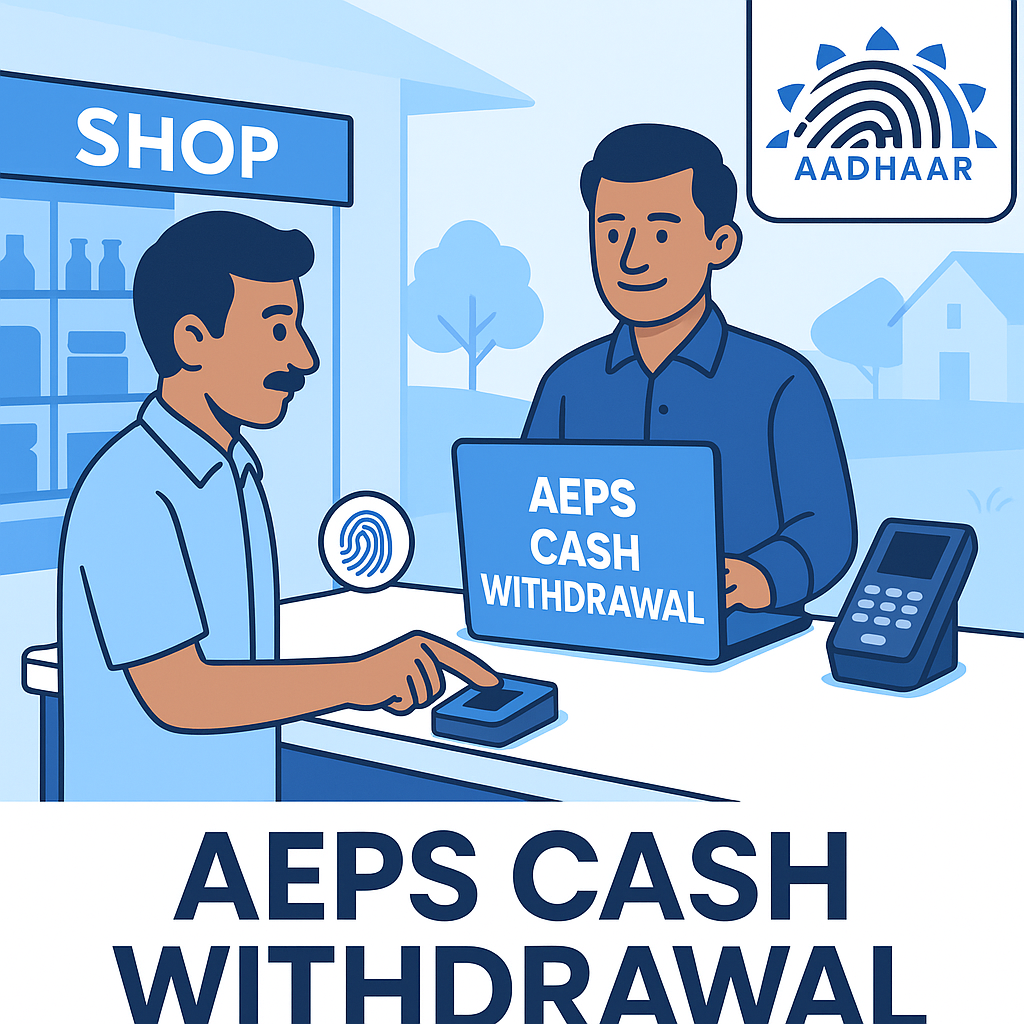
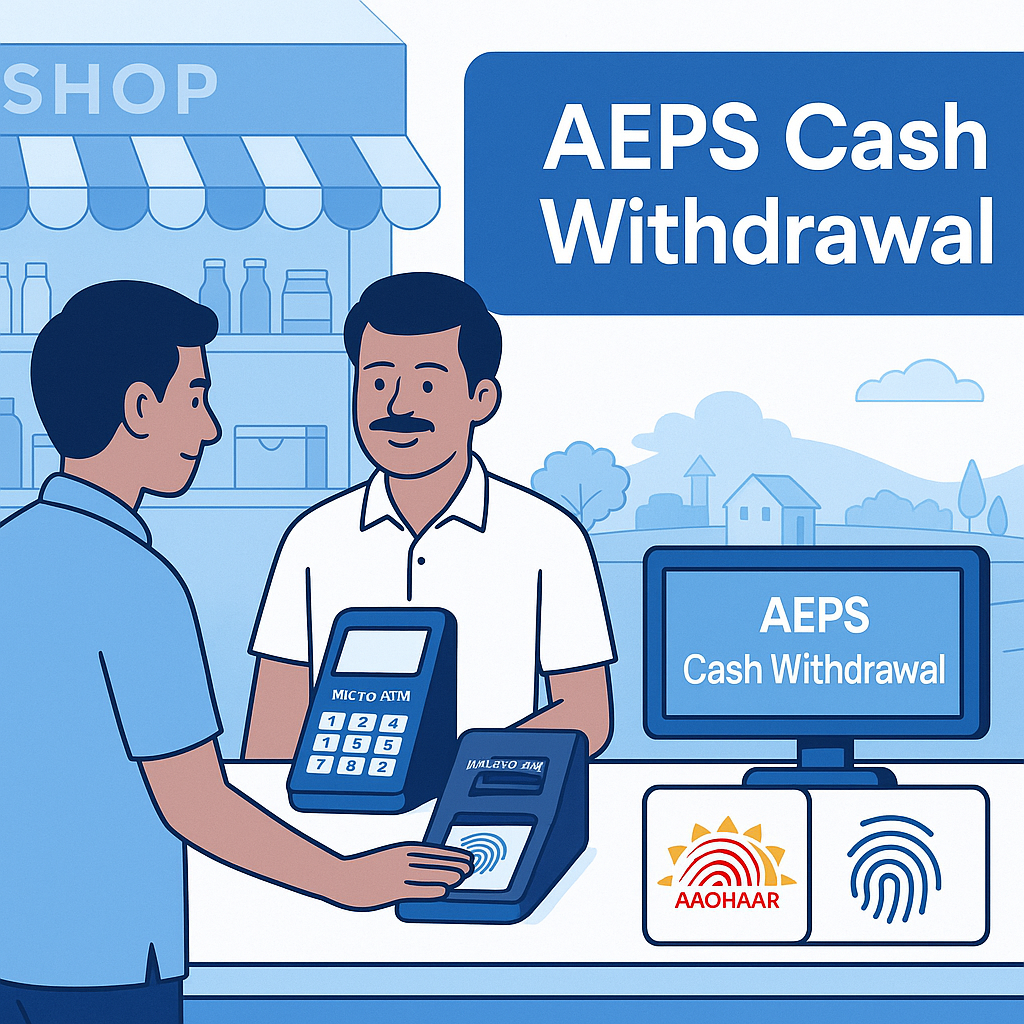
Aeps cash withdrawal is one of the most popular services under AEPS. The process is simple:
-
Visit an AEPS-enabled shop, micro-ATM operator, or banking correspondent (BC).
-
Provide your Aadhaar number and select your bank.
-
Authenticate using your fingerprint.
-
Enter the withdrawal amount.
-
Receive your cash instantly and get a transaction receipt.
This system relies on UIDAI’s biometric database and NPCI’s secure payment network.
Key Features of Aeps Cash Withdrawal
Here are some of the most important characteristics:
1. No Need for Debit Card or PIN
Your Aadhaar number and fingerprint are all that is needed.
2. Works in Rural and Low-Connectivity Areas
Micro-ATMs and BC agents can operate in villages with limited banking infrastructure.
3. Secure Biometric Authentication
Fingerprints reduce fraud chances compared to PIN-based systems.
4. Operates 24/7 (Agent’s Availability May Vary)
Even when ATMs are down, AEPS agents can still provide service.
5. Interoperable Across Banks
You can withdraw from any bank account at any AEPS outlet.
Eligibility Requirements for Aeps Cash Withdrawal
To use AEPS services, a customer must:
-
Have an Aadhaar-linked bank account
-
Have their biometric data linked with the bank
-
Visit an AEPS-enabled shop or BC agent
There is usually a daily transaction limit set by individual banks (commonly ₹10,000–₹50,000).
Real-Life Examples (Case Studies)
1. Rural Convenience
Rani, a woman from a small village in Rajasthan, needs ₹1,200 for school fees. The nearest ATM is 15 km away. Instead, she visits the local kirana shop offering AEPS services and performs aeps cash withdrawal within two minutes.
2. Senior Citizen Support
An elderly man with no mobile banking knowledge uses his Aadhaar and fingerprint to withdraw his pension easily.
3. Business Opportunity for Local Shops
Small retailers earn commissions by offering AEPS withdrawals, helping them grow their income.
Benefits of Aeps Cash Withdrawal
For Customers
-
Accessibility: Works in remote areas
-
Convenience: Fast and paperless
-
Inclusivity: Helps those without ATM cards or smartphones
-
Low Cost: Usually cheaper than ATM or branch visits
For Businesses / Retailers
-
Extra income through commissions
-
Increased footfall to the shop
-
Trust-building with local customers
Risks, Challenges & Safety Tips
Risks
-
Biometric mismatch
-
Fraud through fake agents
-
Technical downtime
-
Low awareness among users
Safety Tips
-
Ensure the agent is registered and trusted
-
Never share Aadhaar photocopies unnecessarily
-
Always collect a printed or SMS receipt
-
Avoid using AEPS on unauthorized devices
NPCI and UIDAI continuously upgrade security to prevent misuse, but user awareness remains the strongest protection.
Industry Insights and Statistics
According to NPCI’s public data (as of recent years):
-
India processes hundreds of millions of AEPS transactions monthly.
-
Over 1 million BC agents offer AEPS across India.
-
More than 25 crore bank accounts are Aadhaar-enabled for withdrawals.
These figures highlight how essential aeps cash withdrawal has become to India’s financial ecosystem.
Internal & External Resources (DoFollow Links)
External Resources
-
NPCI Official Website: https://www.npci.org.in
-
UIDAI Aadhaar Services: https://uidai.gov.in
-
RBI Guidelines on BC Model: https://rbi.org.in
Internal Links (example placeholders)
(Replace these with real internal links when publishing.)
Frequently Asked Questions (FAQs)
1. What is aeps cash withdrawal?
It is the process of withdrawing money from your bank account using Aadhaar and biometric authentication instead of an ATM card.
2. Is AEPS withdrawal safe?
Yes, it uses secure biometric authentication, but you must use trusted agents.
3. How much money can be withdrawn through AEPS?
Limits vary by bank, usually ₹10,000–₹50,000 per day.
4. Can I use AEPS without linking Aadhaar to my bank account?
No, Aadhaar–bank linking is mandatory.
5. Are there charges for using AEPS?
Most banks allow free transactions, but the agent may charge a small commission.
6. What if my fingerprint does not match?
Try again with a clean finger, use another finger, or visit your bank to update biometrics.
Conclusion
Aeps cash withdrawal is one of the most powerful tools for financial inclusion in India. It brings basic banking services to the doorsteps of millions who may not have access to ATMs, smartphones, or reliable transportation. For customers, it offers simplicity and convenience. For businesses, it opens new revenue possibilities. And for India’s financial ecosystem, it represents a major step towards bridging the digital divide.
As AEPS continues to grow, awareness and safety practices will help ensure that this technology remains both secure and accessible to all.
Disclaimer
This post has been created for educational purposes only. If you have any issues with the content of this post, please visit our DMCA page and follow the removal guidelines. You may be required to verify ownership or provide details regarding your concerns.