Imagine needing cash urgently, but the nearest ATM is miles away, or your bank branch is closed. For millions in India, especially in rural and semi-urban areas, this was a daily reality—until services like AEPS cash withdrawal came along. This transformative banking feature is quietly powering a financial revolution, turning local shopkeepers into mini-ATM hubs. But what exactly is it, and how does it work? Let’s dive in.
AEPS cash withdrawal is the cornerstone of the Aadhaar Enabled Payment System (AEPS), a bank-led model that allows you to withdraw money from your bank account using only your Aadhaar number and biometric authentication (fingerprint/iris scan). No debit card, PIN, or smartphone is required. It turns any micro-ATM (a biometric-enabled device with a banking correspondent) into a cash disbursement point, making basic banking accessible to the farthest corners of the country.
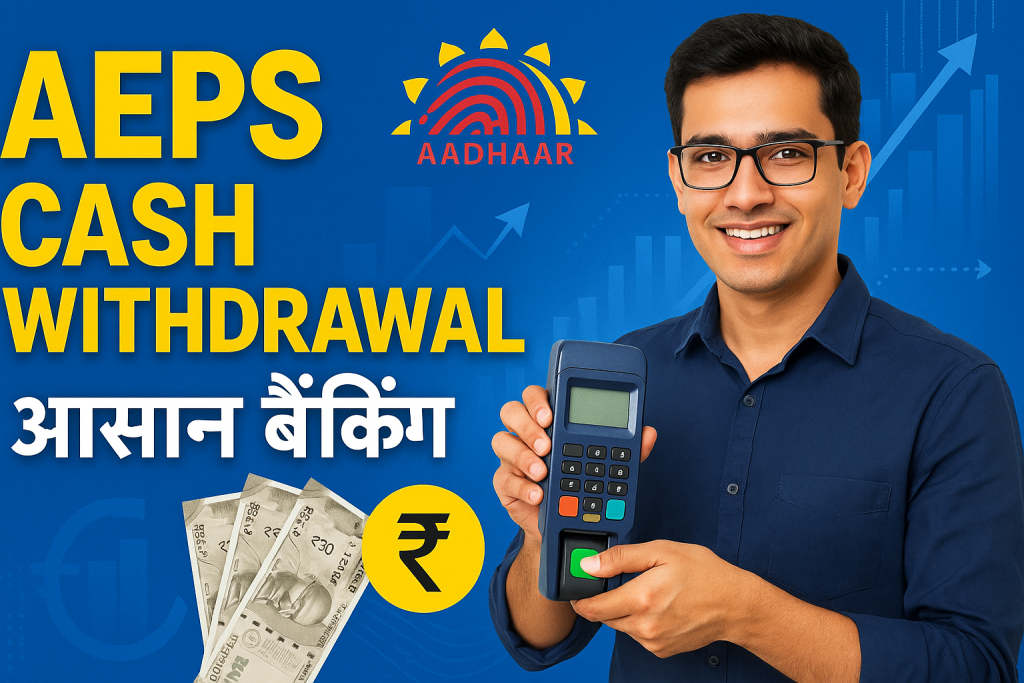

How Does AEPS Cash Withdrawal Actually Work?
The process is deceptively simple, backed by robust technology. Here’s a step-by-step breakdown:
-
Visit a Banking Correspondent (BC): You find an authorized BC—often your local kirana store owner, pharmacy, or a designated customer service point equipped with a micro-ATM device.
-
Provide Your Aadhaar Number: You share your 12-digit Aadhaar number with the BC.
-
Select Your Bank: You specify which bank you hold an account with from the list on the device.
-
Choose the Transaction Type: You select “Cash Withdrawal” from the AEPS menu.
-
Biometric Authentication: You place your finger on the attached biometric scanner. This fingerprint is instantly matched against the data linked to your Aadhaar in the Central Identities Data Repository (CIDR).
-
Enter Amount & Confirm: Once authenticated (which happens in seconds), you enter the amount you wish to withdraw and confirm.
-
Receive Cash & Receipt: The BC hands you the cash and a transaction receipt. The amount is deducted directly from your linked bank account.
The entire process is seamless, secure, and completes in under a minute.
The Building Blocks: Why AEPS Exists
AEPS was launched by the National Payments Corporation of India (NPCI) as part of the Digital India mission. Its primary goals are:
-
Financial Inclusion: To bring banking services to the unbanked and underbanked population.
-
Interoperability: To allow customers of any bank to use the service at any BC point.
-
Simplicity: To overcome barriers like illiteracy or lack of tech-savviness by using the universal identifier—Aadhaar.
A 2023 report by the NPCI noted that the AEPS cash withdrawal network processes hundreds of millions of transactions monthly, a testament to its deep penetration and trust, particularly in states like Uttar Pradesh, Bihar, and West Bengal.
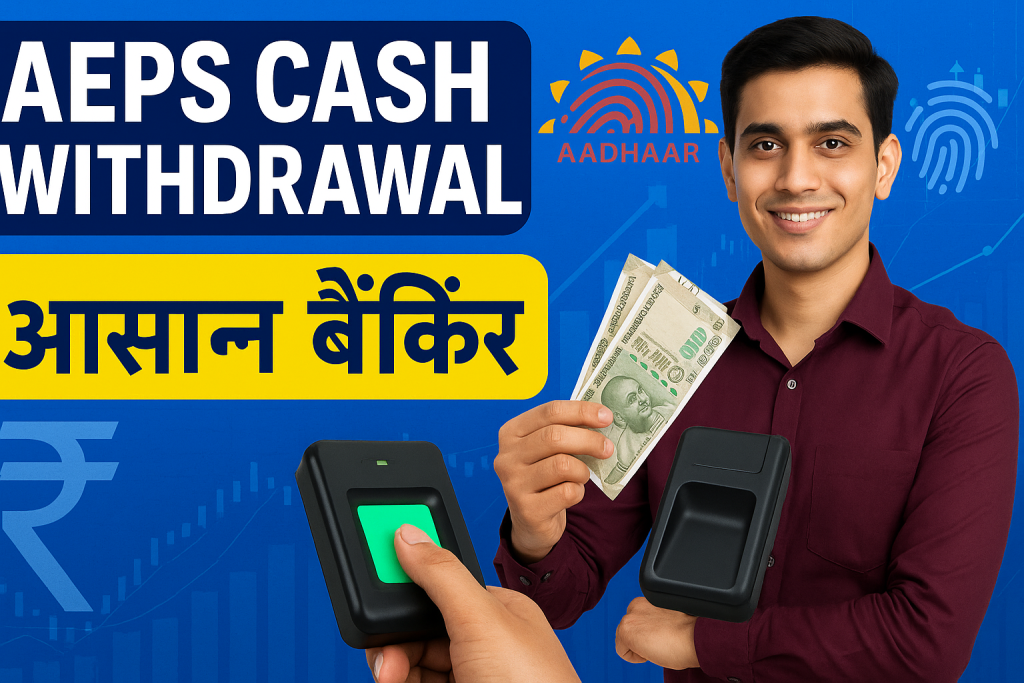
AEPS vs. Traditional ATM Withdrawal: A Clear Comparison
| Feature | AEPS Cash Withdrawal | Traditional ATM Withdrawal |
|---|---|---|
| Required Items | Aadhaar Number & Biometric (Fingerprint) | Debit/Credit Card & PIN |
| Need for Card | No | Yes |
| Technology | Micro-ATM, Internet Connectivity | ATM Machine, Card Network |
| Access Point | Banking Correspondent (Local Store) | ATM Kiosk/Branch |
| Primary Users | Rural, Semi-Urban, Elderly, Tech-Novices | Urban, Card-Holding Population |
| Service Hours | Often aligns with shop hours | 24/7 (at most ATMs) |
The key takeaway? AEPS cash withdrawal is not here to replace ATMs but to complement them, serving as a critical last-mile banking solution.
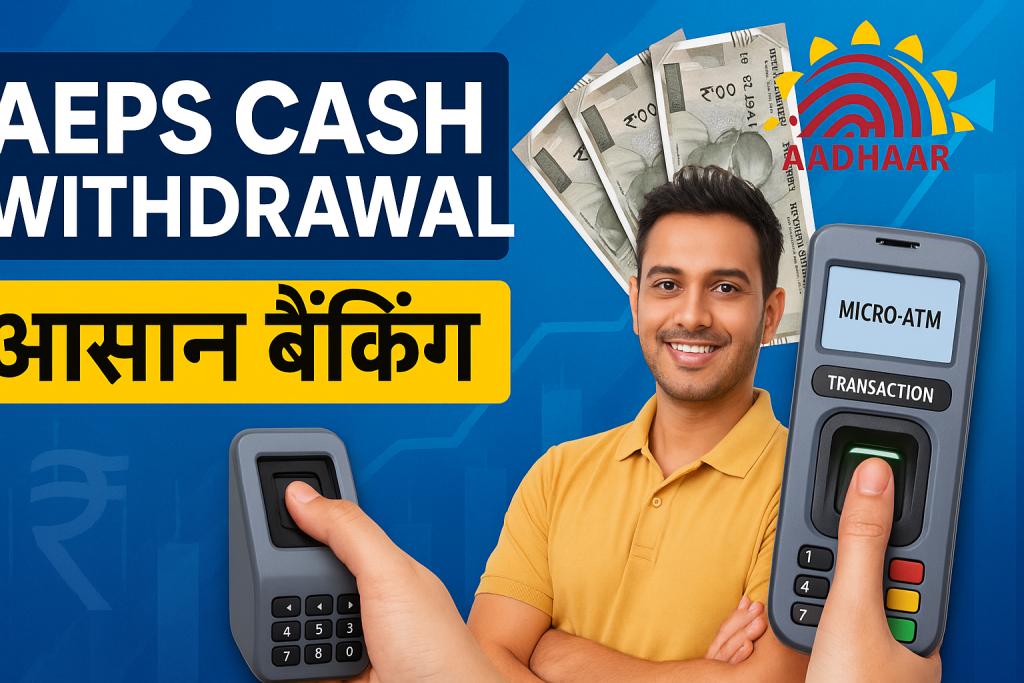
The Real-World Impact: More Than Just Cash
The power of AEPS extends beyond mere convenience. Consider Meera, a farmer in a remote village in Odisha. Before AEPS, she had to travel an entire day to withdraw her Direct Benefit Transfer (DBT) of fertilizer subsidy. Now, she walks to the village grocery store, authenticates with her fingerprint, and has cash in hand within minutes. This saves her time, travel cost, and loss of daily wages.
For small business owners acting as Banking Correspondents, it’s a source of additional income and increased footfall. It’s a win-win model that strengthens the local economy.
Addressing the Elephant in the Room: Is AEPS Secure?
Security is a valid concern. The system is designed with multiple layers of protection:
-
Biometric Authentication: Your fingerprint is unique and nearly impossible to forge, making it more secure than a PIN that can be guessed or stolen.
-
No Shared Secrets: You are not revealing a password or PIN to the BC.
-
Encrypted Data: The biometric data is encrypted and not stored on the micro-ATM device; it is only used for real-time verification with the UIDAI database.
-
Transaction Limits: NPCI mandates daily transaction limits (usually ₹10,000 per transaction), which minimizes risk in case of any misuse.
However, users must be cautious. Always verify the BC’s credentials, collect the transaction receipt, and immediately check your bank balance via SMS or a missed call service to confirm the deduction.
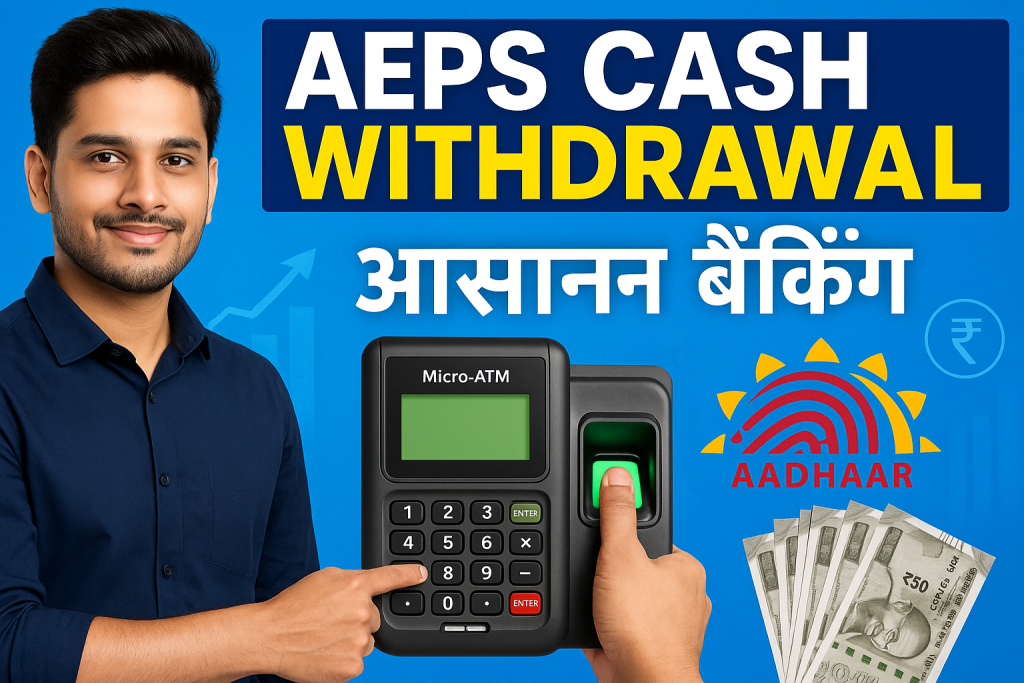
The Future and Limitations of AEPS
While revolutionary, AEPS has its challenges. It is dependent on internet connectivity and reliable biometric devices. Fingerprint authentication can sometimes fail due to hard labour, age, or device quality. Furthermore, it currently supports only basic services: cash withdrawal, balance enquiry, cash deposit, and Aadhaar to Aadhaar fund transfers.
The future lies in convergence. We are already seeing devices that combine AEPS, UPI, and card payments, making the BC agent a one-stop financial services hub. The integration of newer technologies like iris authentication can also improve success rates.
Conclusion: Banking Redefined for Bharat
AEPS cash withdrawal is more than a payment method; it’s a tool of empowerment. It has democratized access to cash, the most fundamental financial product, by leveraging India’s digital infrastructure genius—Aadhaar. It embodies the principle of “banking at the doorstep,” ensuring that progress and technology leave no citizen behind. As India’s digital finance ecosystem evolves, AEPS will remain the sturdy, inclusive foundation upon which more sophisticated services are built, truly bringing the bank to every Indian’s fingerprint.
Frequently Asked Questions (FAQs)
1. Do I need to link my bank account with Aadhaar to use AEPS?
Yes, your bank account must be linked with your Aadhaar number to use any AEPS service, including AEPS cash withdrawal. You can link it through your bank branch, net banking, or ATM.
2. Is there any charge for using AEPS for cash withdrawal?
Generally, customers are not charged for AEPS transactions by their banks. However, some Banking Correspondents (BCs) may levy a small convenience fee, which should be transparently displayed.
3. What if my fingerprint doesn’t get recognized?
You can try another finger (thumbs are often the best). If biometric authentication consistently fails, you must update your biometrics at an Aadhaar Enrollment Centre. As a fallback, you can use your Aadhaar number with an OTP sent to your registered mobile, if the BC’s device supports it.
4. Can I use AEPS to withdraw money from any bank account?
Yes, AEPS is interoperable. You can withdraw from your account in any participating bank (which is nearly all banks in India) at any authorized BC point, regardless of which bank the BC represents.
5. What should I do if a transaction fails but money is debited?
Always collect your transaction receipt. In case of a failed transaction where your account is still debited, present the receipt to the Banking Correspondent. They can initiate a reversal. The problem is typically resolved within 72 hours. If not, you can lodge a complaint with your bank.
Disclaimer: This article is for educational and informational purposes only. The features, limits, and charges of AEPS are subject to change as per guidelines from the NPCI and individual banks. Readers are advised to confirm the latest details with their bank or an authorized Banking Correspondent. While every effort has been made to ensure accuracy, we do not guarantee the completeness or reliability of the information provided. If you have any concerns regarding this content, including ownership or copyright issues, please refer to the DMCA policy and takedown guide on our website for resolution procedures.